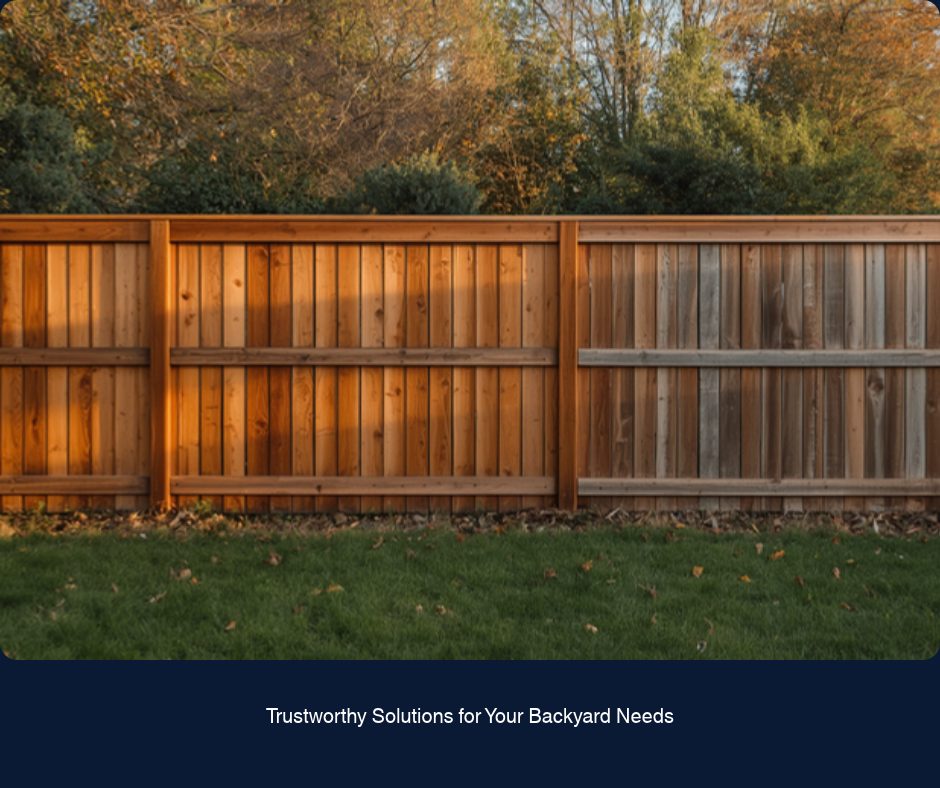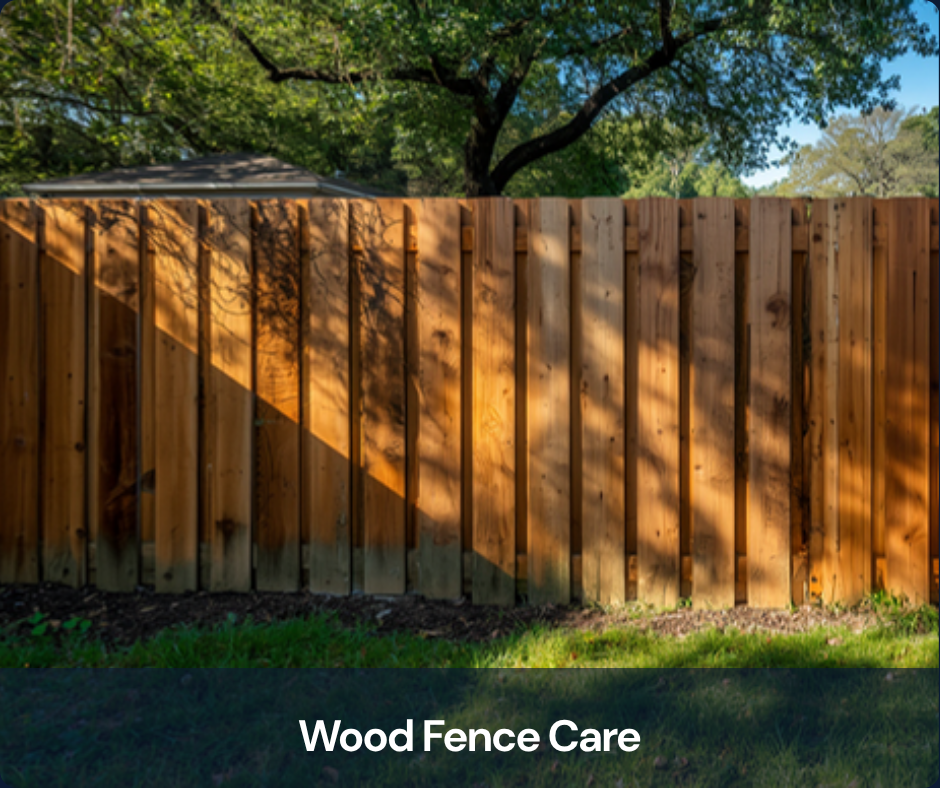
Mold and mildew on a wood fence is one of the most common complaints we hear from North Houston homeowners, and it has almost nothing to do with how the fence was built. It’s a humidity problem. Between the Gulf moisture, the shade from mature pine and oak canopy in neighborhoods like The Woodlands and Kingwood, and a long stretch of warm months, wood surfaces here rarely get a chance to fully dry out. If you’re seeing black or green patches on your fence, you’re not alone, and it’s almost always fixable without replacing boards.
Mold, Mildew, and Algae: What You’re Actually Looking At
These three get lumped together, but they show up differently. Mildew usually looks like a flat gray or black film on the surface and tends to show up first on the north-facing or shaded side of a fence. Mold is more textured, often darker, and can get into the wood grain itself rather than just sitting on top. Algae shows up greener and favors spots that stay damp longer, like the bottom few inches of a picket near sprinkler spray or low-lying grass. None of the three is usually a structural problem on its own, but all three mean moisture is sitting on the wood longer than it should.
Why It’s Worse in Some Yards Than Others
Three things drive most of the difference from one yard to the next: shade, airflow, and water contact. A fence tucked under heavy tree cover dries slower than one in full sun, which is why the shaded side of a privacy fence is almost always dirtier than the sunny side. A fence boxed in by dense landscaping on both sides doesn’t get enough airflow to dry between rains. And a fence that catches daily sprinkler overspray is getting wet on a schedule no amount of sun exposure can keep up with. If you can adjust a sprinkler head or trim back a shrub that’s pressed against the boards, that alone can cut down on regrowth significantly.
Cleaning It Off Without Damaging the Wood
A pressure washer on too high a setting, or held too close to the boards, will strip the soft grain out of cedar and pine and leave the surface fuzzy and more absorbent than before, which actually speeds up future growth. A lower-pressure wash with a wide-fan tip, paired with a cleaner made for wood (not straight bleach, which can discolor cedar unevenly), handles most mold and mildew without damaging the surface. For stubborn algae at the base of pickets, a stiff brush with the cleaning solution usually finishes the job. This is exactly the kind of work we handle as part of fence staining, painting, and power washing, since cleaning and resealing really are a package deal.
Staining and Sealing to Keep It From Coming Back
A clean fence left bare is just a fence that’s going to grow mildew again on the next humid stretch. A quality stain or sealer with UV and water-repellent properties gives the wood a surface that sheds moisture faster, which is the single biggest factor in whether mold comes back. In this climate, that typically means resealing every one to three years depending on sun exposure and how well the wood was prepped the first time. We cover how material choice affects this in Best Fence Materials for Houston Weather, including why some wood species and finishes outperform others here.
When It’s More Than Cosmetic
Surface mold and mildew are cosmetic. Soft, spongy, or crumbling wood underneath the discoloration is a different problem: active rot, usually from long-term moisture sitting against the board rather than mold itself. That’s worth catching early, the same way we talk about catching termite damage on a wood fence before it spreads. If a board flexes, crumbles at the edge, or feels damp to the touch well after a dry stretch, it’s past a cleaning and into a repair.
Most mold and mildew on a North Houston wood fence comes down to sun, airflow, and a sealer that’s past its prime, all of which are fixable in an afternoon or two. If your fence needs more than a scrub, or you want a professional cleaning and reseal before it spreads further, book a quick estimate or call us at 281-973-3884.